The road from Gorkha · Gorkha
Gorkha Durbar, where the campaign began
High above the bazaar of Gorkha, a palace and temple on a narrow ridge was home to the kings who set out to unify Nepal. The climb is steep, the views wide.
- Era
- Shah
- From Thamel
- Long bus ride west, then a climb
- Bring
- Water, good shoes, warm layer, small notes
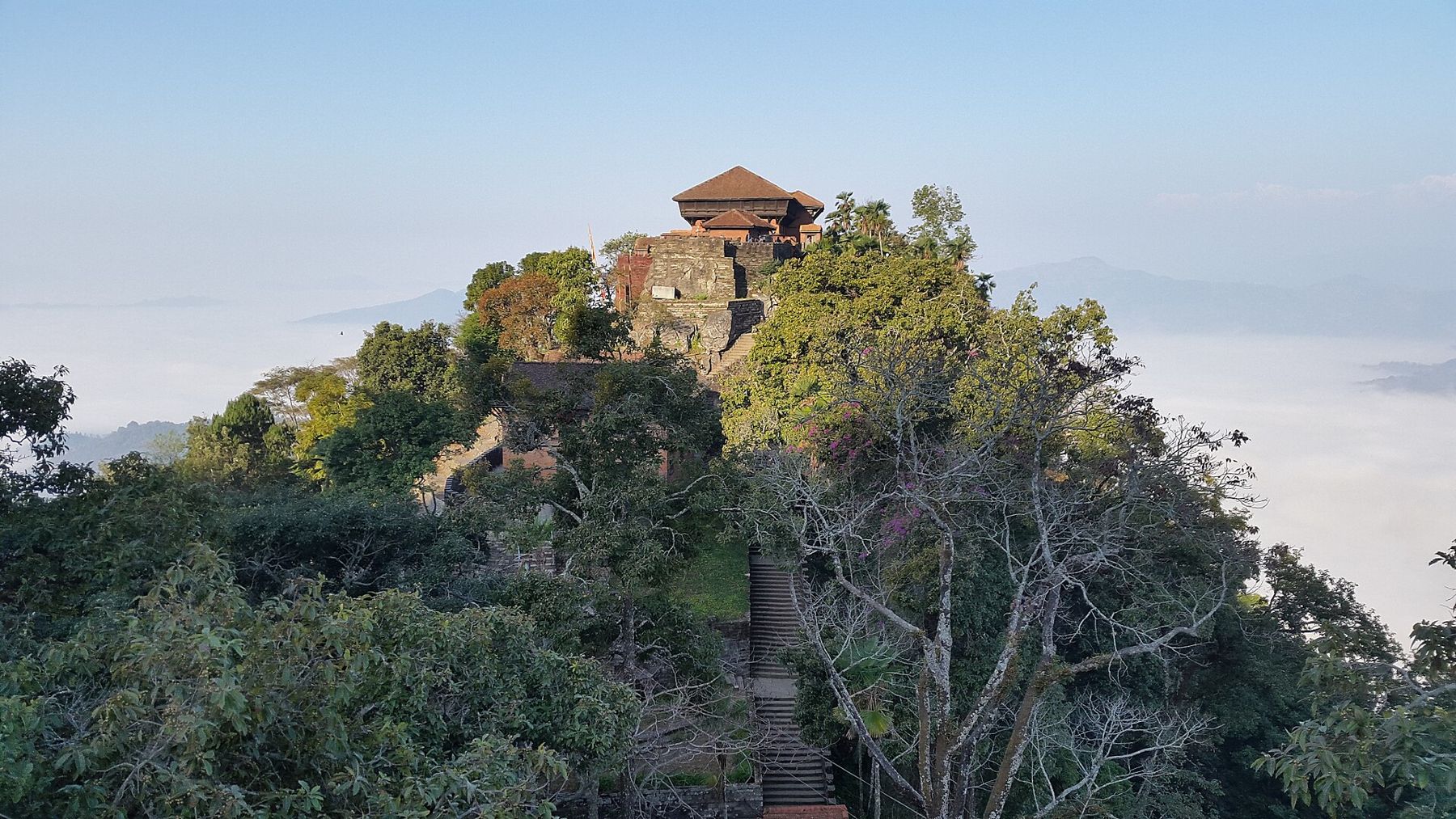
The town of Gorkha lies in the hills of central Nepal, west of Kathmandu, and above it, on a narrow ridge, stands Gorkha Durbar: a palace, a fort and a temple at once. This was the seat of the small hill kingdom of Gorkha, ruled by the Shah dynasty from the sixteenth century. Prithvi Narayan Shah was born here in 1723, became king in 1743, and set out from this ridge on the campaign that would unite the hills and the Kathmandu Valley into a single kingdom. The name Gorkha, carried by the soldiers recruited from these hills into foreign armies, comes from this place.
A visit to Gorkha Durbar is a visit to the start of the story. It is also a beautiful place in its own right, with views over terraced hills to the Himalaya, and a long stone stair that gives you time to think on the way up.
The climb
From Gorkha bazaar, a stone stair climbs steeply through trees and houses to the palace on the ridge. Allow time; it is a real climb, with hundreds of steps, and many people stop to rest at the small shrines along the way. In the cool of the morning it is pleasant; in the midday heat it is hard work. Take water, and go slowly.
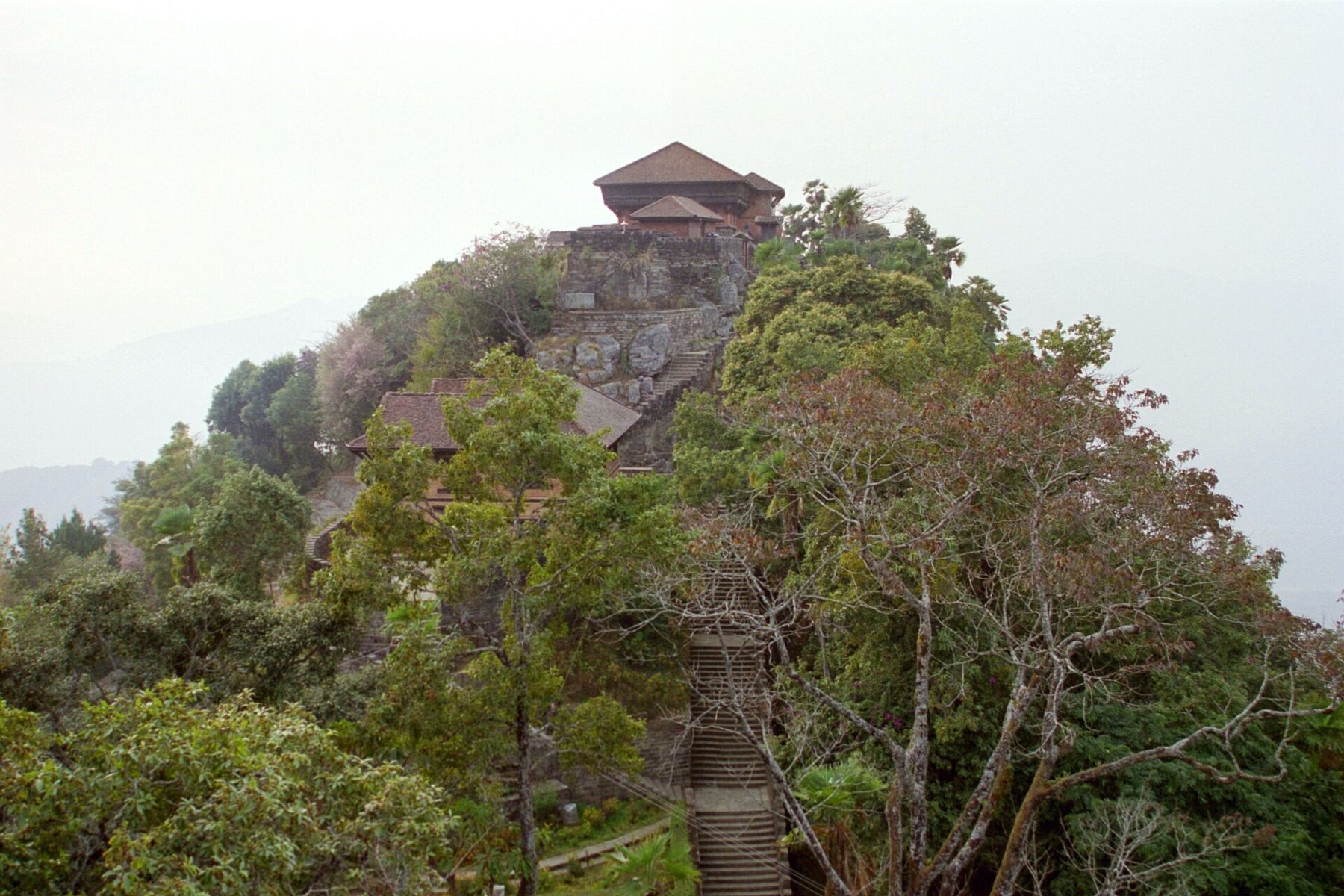
As you climb, the view widens behind you over the bazaar and the valleys around it. At the top the path reaches the walls of the palace, built partly into the rock of the ridge. The site is narrow, with buildings packed along the crest, and from its edges the land drops away steeply on both sides. It is easy to see why the kings of Gorkha felt safe here.
Beyond the palace, a path continues along the ridge to a higher viewpoint, where the remains of an older fort look out over the hills. On a clear morning the panorama takes in a long stretch of the Himalaya to the north, including the peaks of the Manaslu range. Clouds often build by midday, so the earlier you are on the ridge, the better your chance of seeing the snows.
The palace and the Kalika temple
The main building of Gorkha Durbar is a palace in the Newar style, built of brick and carved wood, with tiered roofs and windows carved by craftsmen brought from the valley. The kings of Gorkha looked to the Malla courts for their architecture, even as they planned to conquer them. Inside the complex is the temple of Kalika, a form of the goddess Kali and the protector of the dynasty. The temple is a place of active worship; entry to its inner parts is restricted, and animal sacrifices are offered on certain days, especially during the autumn festival of Dashain.
Rules for visitors change and are often strict: photography may not be allowed in some areas, and leather items may have to be left outside. Follow the signs and the guards. Even where you cannot enter, you can see the carved windows and doors from outside and feel the atmosphere of the place.
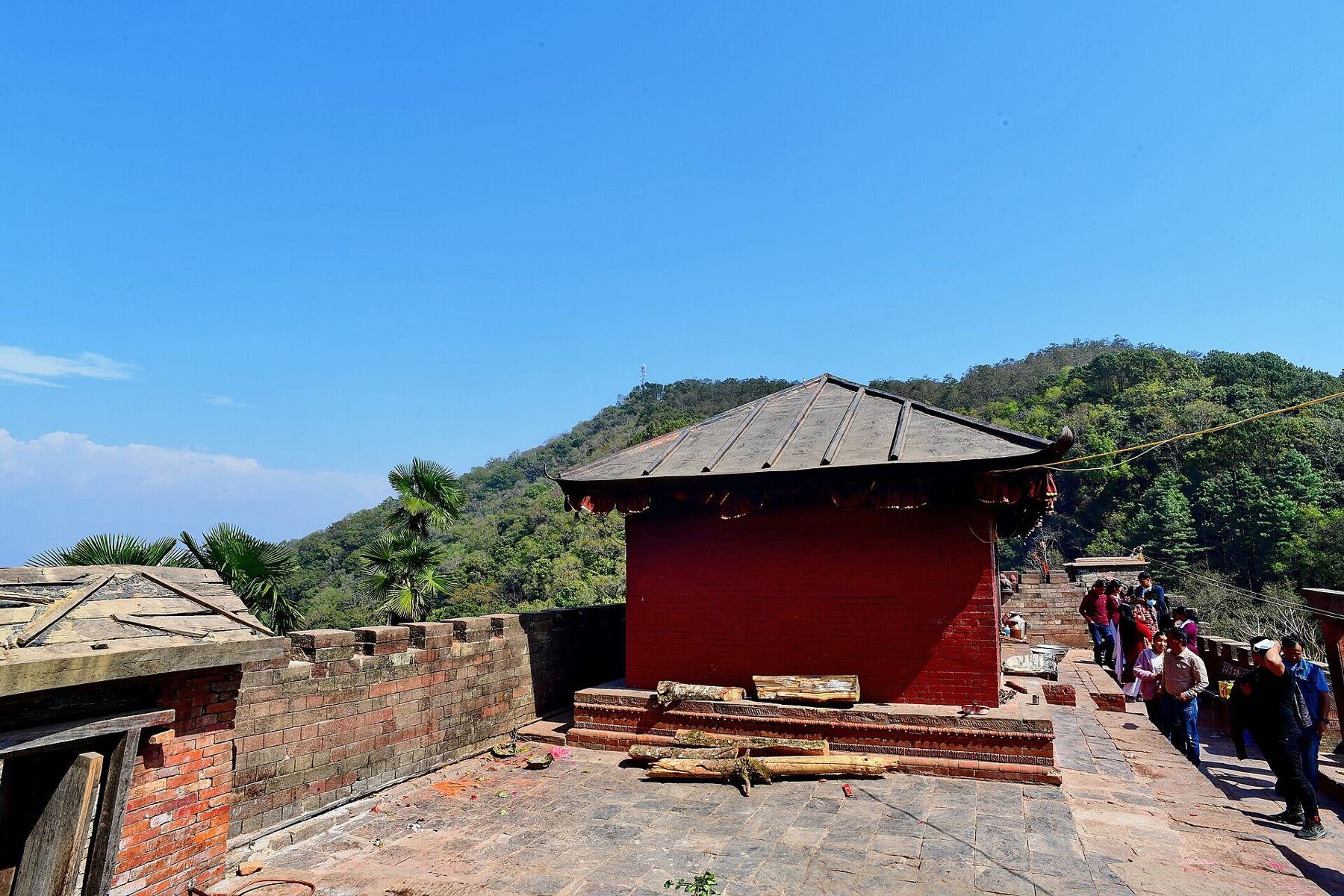
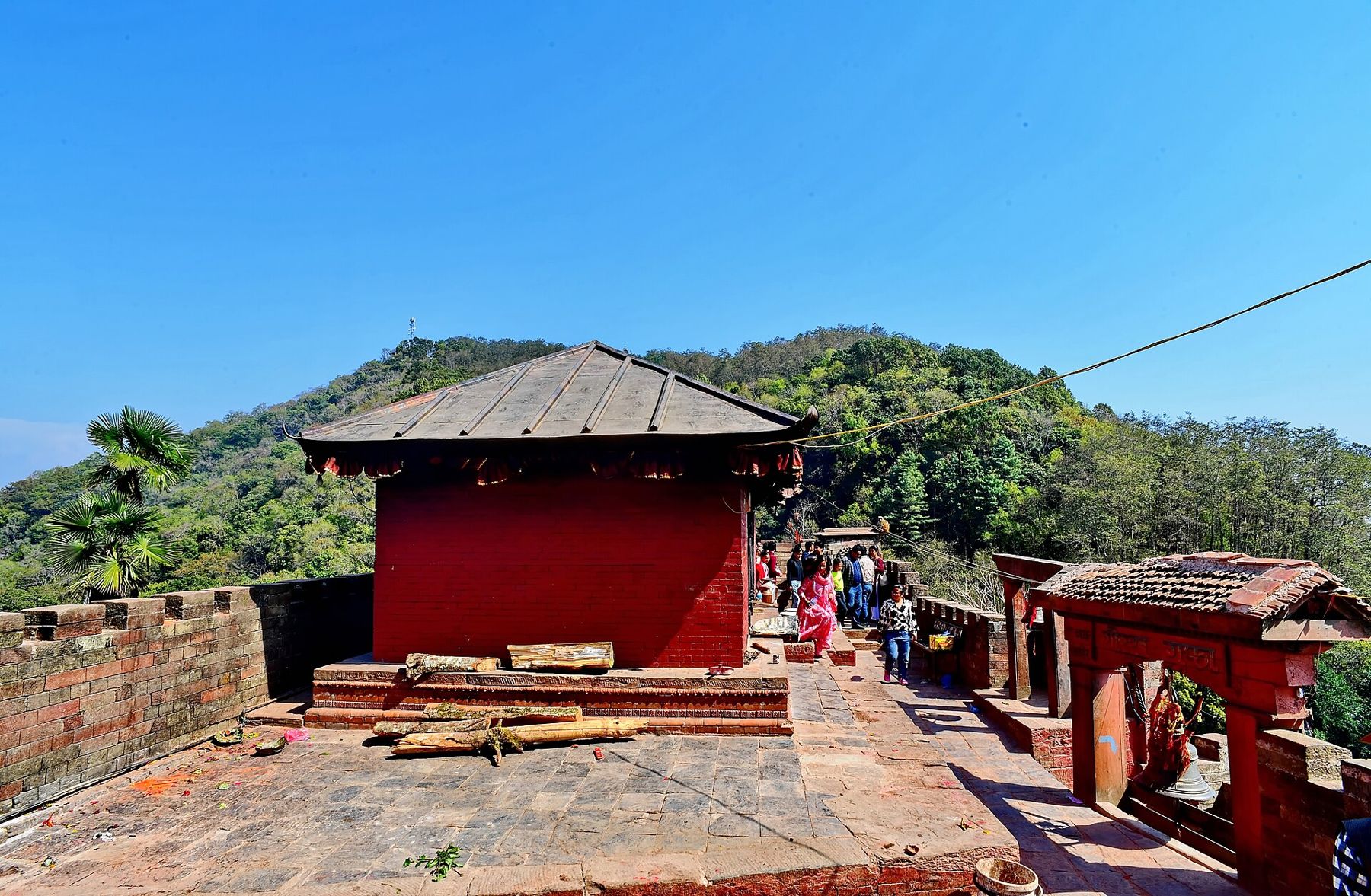
Near the temple, a shrine holds a fire said to be kept burning without break, a symbol of the dynasty's continuity. Below the palace, a cave shrine is dedicated to Gorakhnath, the yogi saint whose name is linked with Gorkha itself. Many pilgrims visit both.
Prithvi Narayan Shah and the road east
Prithvi Narayan Shah grew up in this palace, and his early years were spent learning about the valley kingdoms to the east, their wealth and their divisions. When he became king in 1743, Gorkha was a small state among many in the hills. His first target was Nuwakot, a fort that controlled the route between the valley and Tibet; he took it in 1744. Over the next twenty-five years, with commanders such as Kalu Pande and the other kajis of Gorkha, he blockaded the valley, besieged Kirtipur, and finally took Kathmandu, Patan and Bhaktapur in 1768 and 1769.
The Shah dynasty he founded ruled Nepal until 2008, when the monarchy was abolished and the country became a republic. Gorkha Durbar remains a symbol of that history, honoured by some as the cradle of the nation and remembered by others with more mixed feelings. For the Newar cities of the valley, the conquest brought the end of their own kings.
The king left behind a body of sayings and advice, known as the Dibya Upadesh, in which he described his kingdom as a yam between two boulders, China and British India, and urged caution in dealing with both. Those words are still quoted in Nepal, and standing on this ridge, between the plains to the south and the mountains to the north, you can see the geography he had in mind.
Gorkha Durbar remains a symbol of that history, honoured by some as the cradle of the nation and remembered by others with more mixed feelings.
The 2015 earthquake
The earthquake of 25 April 2015 had its epicentre in Gorkha district, in the hills to the north of the town. Villages there were devastated, and Gorkha Durbar was damaged: walls cracked, and parts of the palace needed major repair. Restoration has taken years and has used traditional materials and methods. You may still see scaffolding and closed areas.
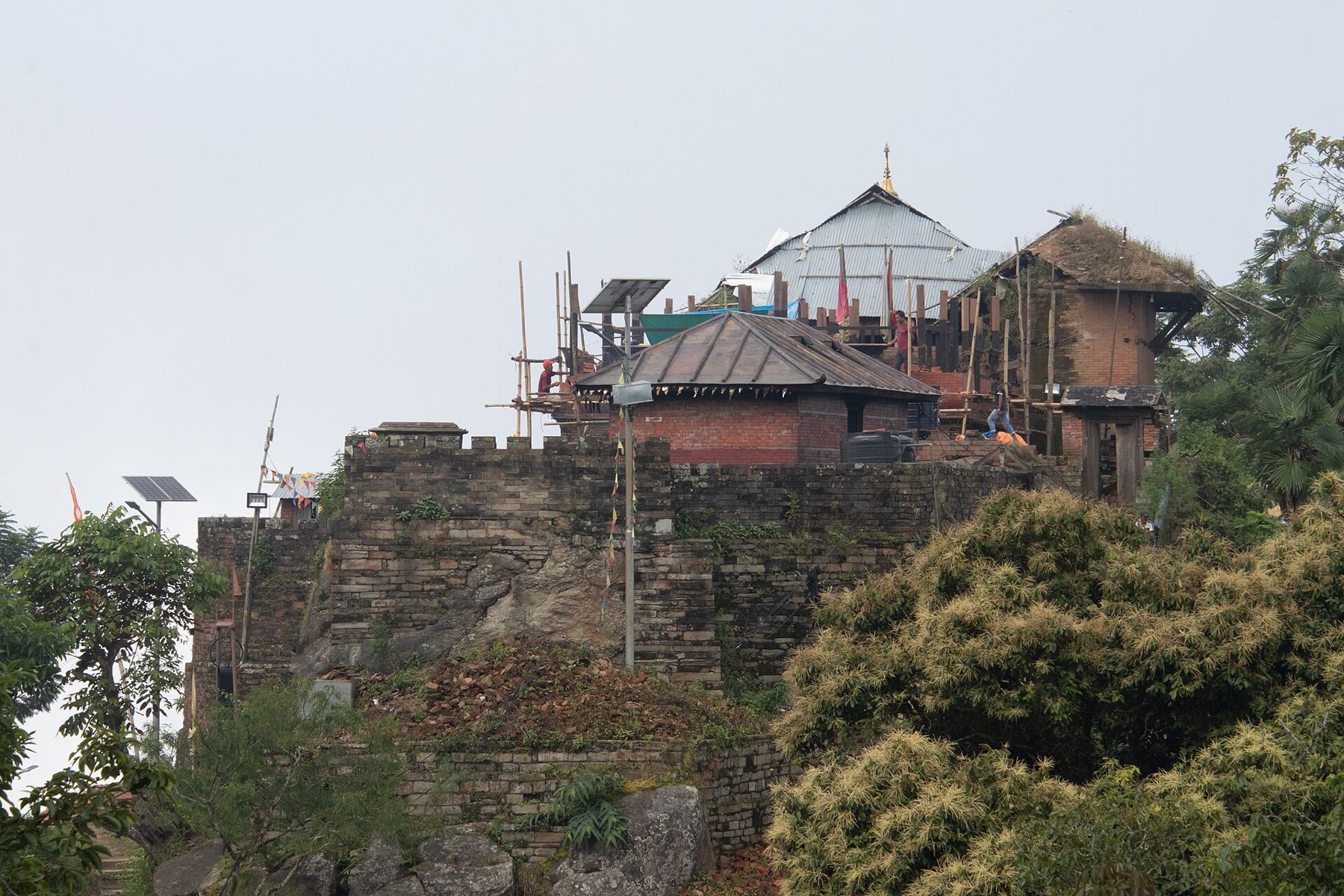
The wider district is still rebuilding, and many villages have new houses beside the ruins of old ones. If you travel on into the hills north of Gorkha, you will see the change. Respect, patience and a willingness to listen go a long way.
The earthquake also changed how many people in Nepal think about heritage. The rebuilding of palaces and temples has gone hand in hand with debates over traditional techniques, earthquake safety and the role of local communities, and Gorkha has been part of those debates from the start.
Visiting Gorkha
Gorkha bazaar is reached by bus or car from Kathmandu or Pokhara, turning off the main highway between the two cities and climbing into the hills. The journey takes several hours from Kathmandu. Most visitors stay at least one night in the town, so as to climb to the palace in the early morning, when the air is clearest and the Himalaya may be visible to the north.
In the bazaar, the Gorkha Museum occupies a lower palace building and tells the story of the dynasty and the unification. A visit to the ridge combines easily with a stop at Nuwakot on the way back towards the valley, following the first stage of the campaign itself.