On the ground · Kathmandu Valley
The valley on foot and by bus
Kathmandu, Patan and Bhaktapur sit close together in one bowl of land. Here is how to move between them, when to come, what heritage zones expect and how to behave at shrines.
- Era
- Many eras
- From Thamel
- You are already in the valley
- Bring
- Comfortable shoes, a scarf, small notes, a mask
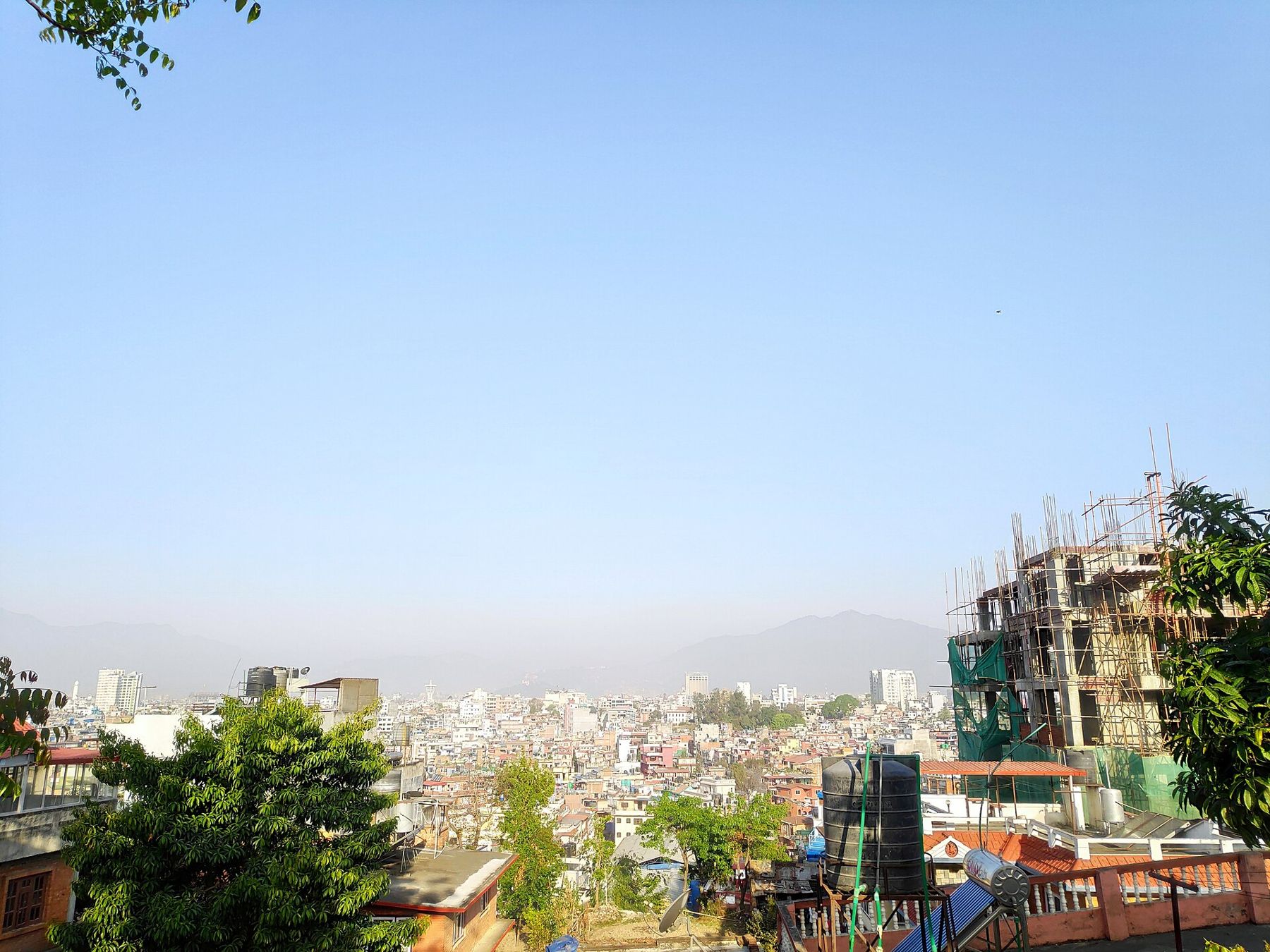
The Kathmandu Valley is a bowl of land surrounded by hills, roughly twenty-five kilometres across. In it lie the three old royal cities, Kathmandu (Yen), Patan (Yala) and Bhaktapur (Khwopa), and many smaller towns and villages, all within a short distance of one another. Seven of its monument zones together make up a World Heritage Site: the three Durbar Squares, and the shrines of Swayambhunath, Boudhanath, Pashupatinath and Changu Narayan.
The valley is easy to explore without a car and without hurry. This guide covers how to get about, when to come, the general rules of the heritage zones and the manners that matter at temples.
Getting between the cities
Kathmandu and Patan have grown into one another and are separated only by the Bagmati river. Patan's Durbar Square is a short taxi ride south from central Kathmandu, and a long walk is possible too. Bhaktapur, at the eastern end of the valley, is further away and best reached by bus or taxi.
Public buses and microbuses run on most main roads, from crowded old vehicles to newer, larger buses. They leave from several bus parks and stops in Kathmandu, including the area around Ratna Park, and set off when full. Routes and numbering can be confusing, so ask at the stop and confirm with the conductor before you board. Taxis are plentiful; agree on the fare before setting off, or ask whether the meter is in use. Ride-hailing services also operate.
For longer trips out of the valley, to Gorkha or Nuwakot on the road of the unification, tourist buses and public buses leave from Kathmandu, and hired cars with drivers are common; the guide to following the unification covers that journey.
Roads are often congested, especially in the morning and evening rush, and journey times vary a lot. Leave room in your day for delays.
Walking the valley
Inside the old cities, walking is not just the best way to get about but the only way to see them. Lanes are narrow, many are closed to cars, and the life of the cities happens in courtyards and squares you can reach only on foot; see the guide to bahals and courtyards.
Beyond the cities, the hills around the valley are threaded with footpaths. Popular walks include the ridge from Nagarkot down to Changu Narayan, paths through the farmland between Bhaktapur and its neighbouring villages, and climbs to viewpoints on the rim. Trails can be steep and poorly marked; carry water, ask locals for directions and avoid walking alone in remote areas.
The right months
Autumn
October and November are the most popular months. The monsoon has cleared, skies are often blue, the mountains appear on the northern horizon, and the great festivals of Dashain and Tihar fill the cities with ritual and family life.
Winter
December to February brings cold mornings and evenings, mild sunny afternoons and few crowds. Haze can build up over the city, and fog is common at dawn.
Spring
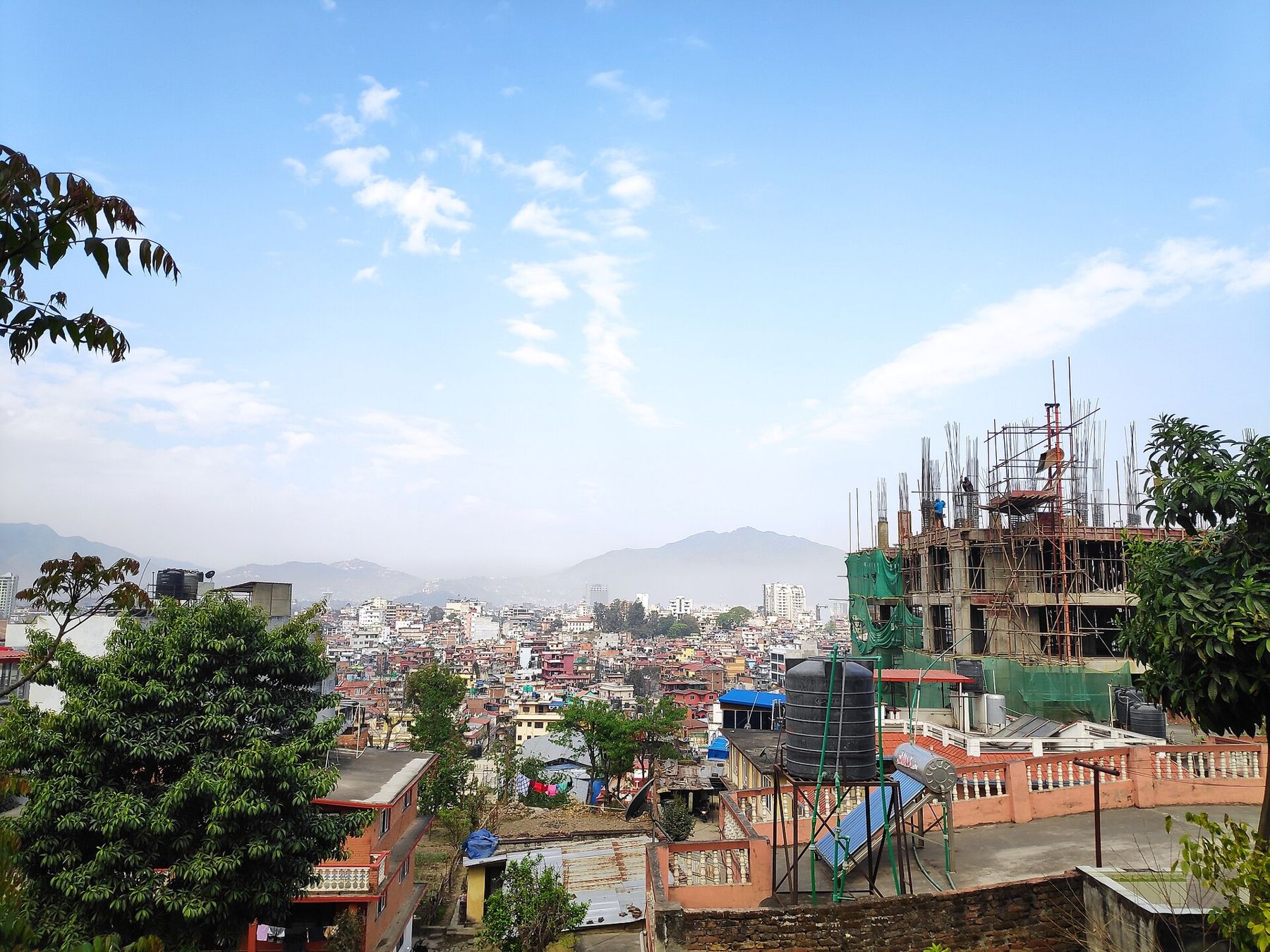
March and April are warm, with flowering trees and festivals such as Bisket Jatra in Bhaktapur at the Nepali new year. Dust and haze often hide the mountains.
Monsoon
From around June to September, heavy rain falls most days, usually in the afternoon and night. The valley is green and quiet, but trails get muddy and slippery, and travel outside the valley can be disrupted. The monsoon ends with the autumn festivals, including Indra Jatra in Kathmandu.
Heritage-zone fees
The Durbar Squares of Kathmandu, Patan and Bhaktapur, and the sites of Swayambhunath, Boudhanath, Pashupatinath and Changu Narayan, charge foreign visitors an entry fee. Visitors from neighbouring South Asian countries often pay a lower rate, and Nepali citizens usually pay nothing. Some zones offer passes for longer stays. Keep your ticket with you while you are inside the zone.
Inside the zones, the fee does not usually cover every temple or museum; some charge separately, and active shrines may ask for donations. Carry small notes, and do not be surprised if a guard asks to see your ticket more than once in a day.
The fees go towards maintenance and repair, which matters in places still recovering from the earthquake of 2015.
Manners at temples and shrines
- Walk clockwise around stupas, chaityas and temples, keeping them on your right.
- Remove your shoes before entering a shrine or stepping onto its platform, and leave leather outside where others do.
- Respect signs that say a temple is for Hindus only, as at the inner temple of Pashupatinath.
- Do not touch images, offerings or the people making them, and never step over offerings on the ground.
- Ask before photographing people, especially at worship, and do not photograph cremations up close.
- Dress modestly, covering shoulders and knees, and keep public displays of affection low-key.
- Use your right hand to give, receive and eat, and avoid pointing your feet at people or shrines.
After the earthquake
On 25 April 2015 a major earthquake struck central Nepal, and strong aftershocks followed. In the valley it brought down many old buildings and temples, including the Kasthamandap in Kathmandu, several temples in the three Durbar Squares and the tall Dharahara tower, and damaged many more.
Since then, much has been rebuilt, often by traditional methods with timber and brick, and often by local craftspeople. The Kasthamandap stands again, as the guide to Maru describes. Some sites still show scaffolding or temporary bracing, and some temples are still being rebuilt. Expect to see new wood beside old, and treat it as part of the valley's long story of building, falling and building again.